The following examples demonstrate how LVMH Maisons are translating the Biodiversity pillar into tangible action across their operations and supply chains.
Guerlain — Bee Respect Programme
Guerlain has placed bees at the heart of its sustainability identity. Through its partnership with Abeilles de France and a commitment to protecting wild bee populations, Guerlain has installed over 100 hives across France and international sites. The Maison’s iconic Aqua Allegoria fragrance collection uses botanicals sourced through regenerative agriculture programmes that actively support pollinator habitats. Guerlain’s Bee School programme educates children about the vital role of bees in maintaining healthy ecosystems — connecting consumer engagement directly to biodiversity action.
LVMH — Biodiversity Fund
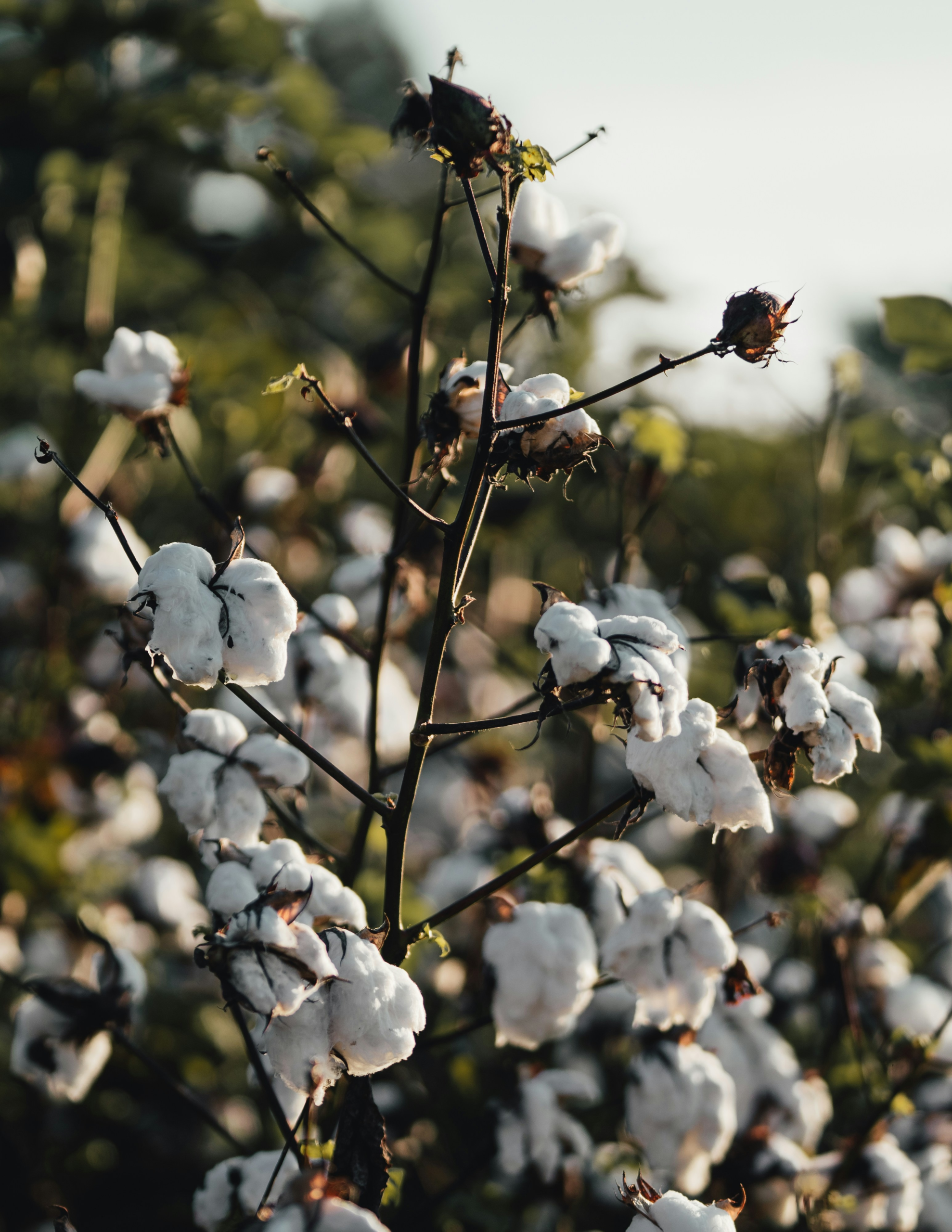
In 2021, LVMH launched a dedicated Biodiversity Fund with an initial commitment of EUR 5 million, subsequently expanded. The fund supports conservation and restoration projects across five continents, with a focus on ecosystems directly linked to the Group’s sourcing regions — including French oak forests (cognac and perfumery), Mongolian cashmere grasslands, and West African cotton landscapes.
Loro Piana — Vicuna Conservation, Peru
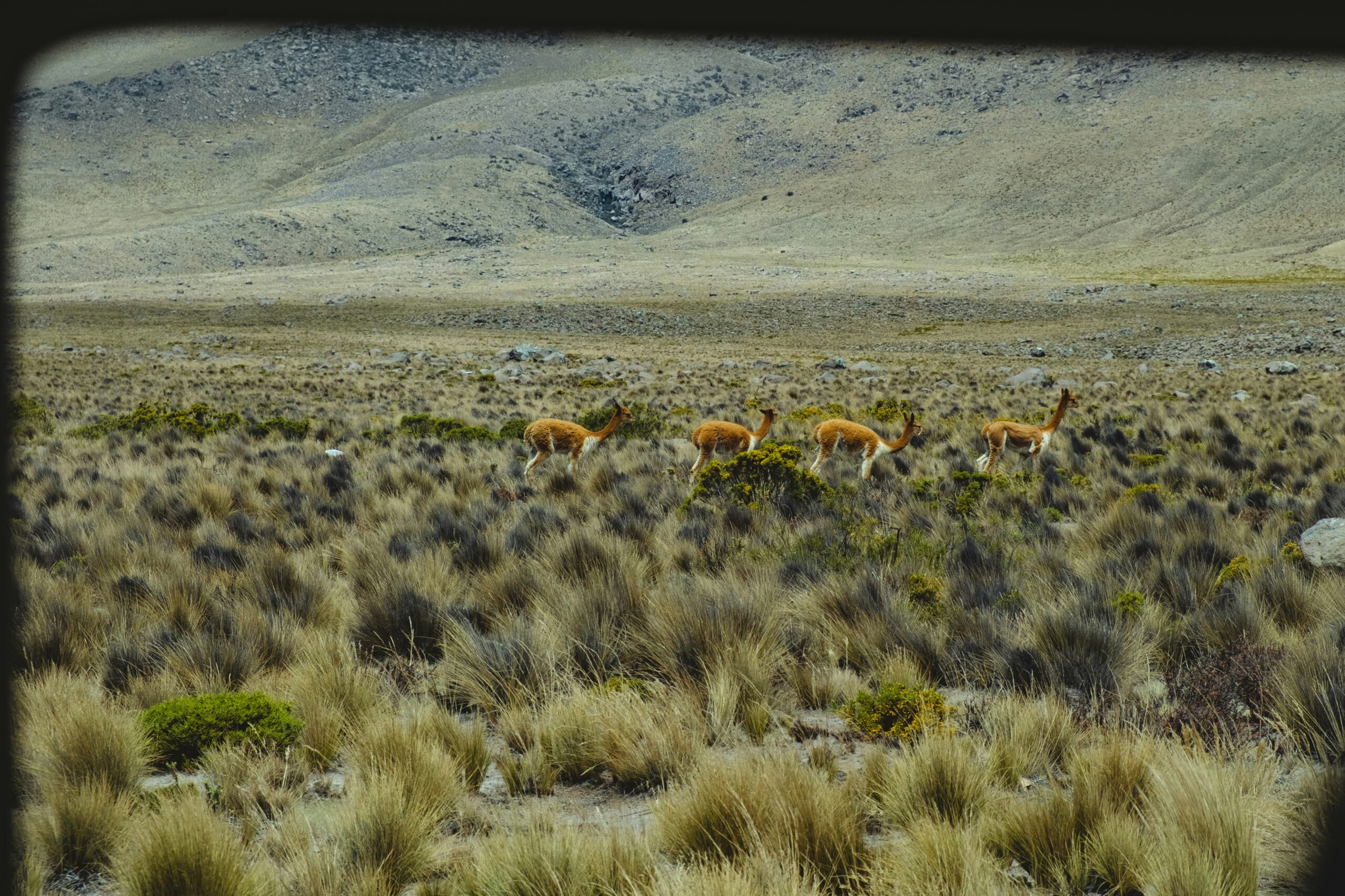
Loro Piana sources vicuna fibre — one of the world’s rarest and most precious natural materials — from the high-altitude plains of Peru. Rather than farming vicuna in captivity, Loro Piana works with indigenous Andean communities to conduct traditional chaku (roundup) practices, shearing the animals and releasing them unharmed. This approach preserves the wild vicuna population, protects the high-altitude grassland ecosystem, and sustains the livelihoods of local communities.
Sephora — Responsible Botanical Sourcing
Sephora has committed to tracing and certifying the botanical ingredients used in its own-brand product lines. Working with suppliers and conservation organisations, Sephora is establishing sourcing protocols that protect wild plant populations, prohibit harvesting from endangered species, and support the communities that depend on botanical resources for their livelihoods.
Dior — The Butterfly Garden
At its historic Granville estate in Normandy — the birthplace of Christian Dior — the Maison has created a dedicated butterfly garden and wildflower meadow as part of its commitment to local biodiversity. Native plant species attract and support butterfly and bee populations, creating a living demonstration of how luxury heritage sites can become biodiversity sanctuaries.
Bulgari — Ethical Gemstone Sourcing
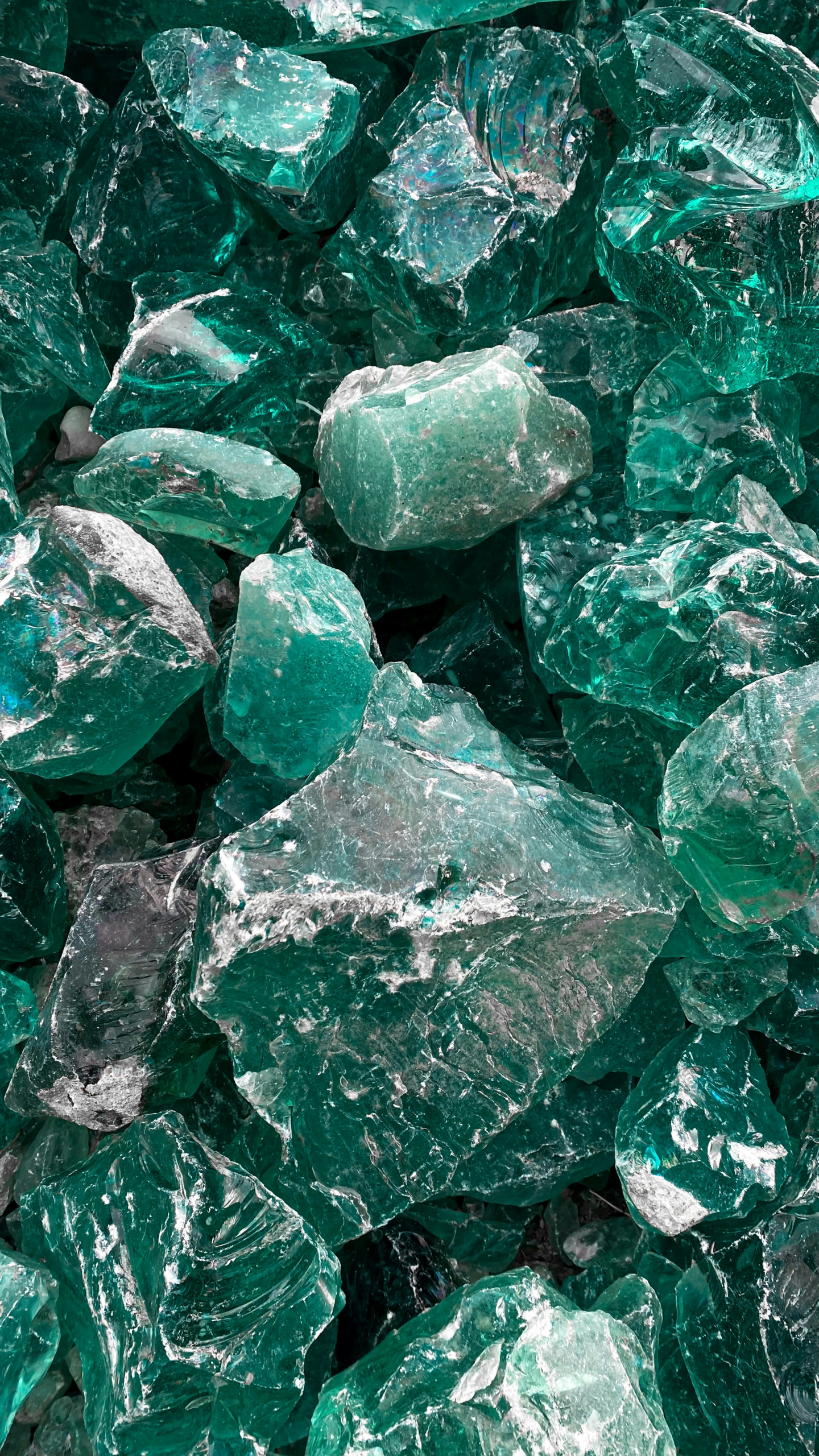
Every gemstone begins its journey in the earth. Bulgari has made responsible sourcing central to its identity, working with the Responsible Jewellery Council and direct mining partners to ensure that the extraction of diamonds, emeralds, sapphires, and other precious stones does not come at the cost of the ecosystems surrounding mining sites. Bulgari’s sourcing standards require partners to demonstrate active land restoration programmes, water management practices, and community benefit sharing — ensuring that landscapes disrupted by mining are progressively rehabilitated rather than permanently degraded.
Moët & Chandon — Champagne Vineyard Ecology
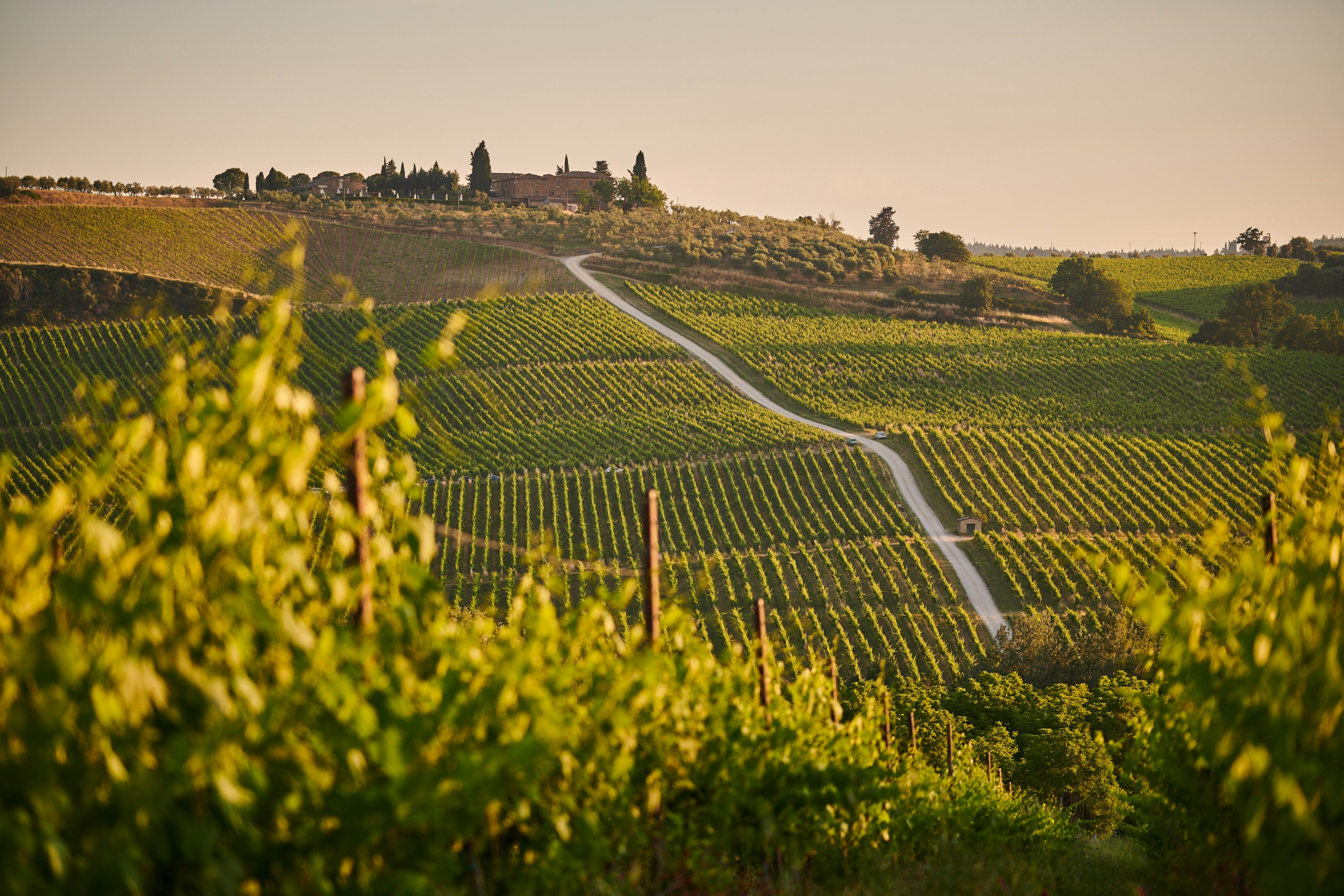
The Champagne appellation is one of the most carefully managed agricultural landscapes in the world — and one of the most biodiverse. Moët & Chandon has pioneered ecological corridors between its vineyard parcels, creating habitats for insects, birds, and small mammals that contribute to natural pest regulation and pollination. The Maison has committed to eliminating herbicides across its vineyards, allowing grassland biodiversity to recover between the rows of vines.
Hennessy — Regenerative Viticulture
Hennessy’s cognac is inseparable from the Charente vineyards of southwest France — and those vineyards are inseparable from the biodiversity of their terroir. Hennessy has committed to regenerative viticulture practices across its partner growers, including the reduction of pesticide use, the restoration of hedgerows and grassland corridors between vineyards, and the introduction of cover crops to rebuild soil biodiversity. Healthier soils mean healthier vines — and ultimately, better cognac. Hennessy’s approach demonstrates that biodiversity and quality are not in tension. They are the same thing.